
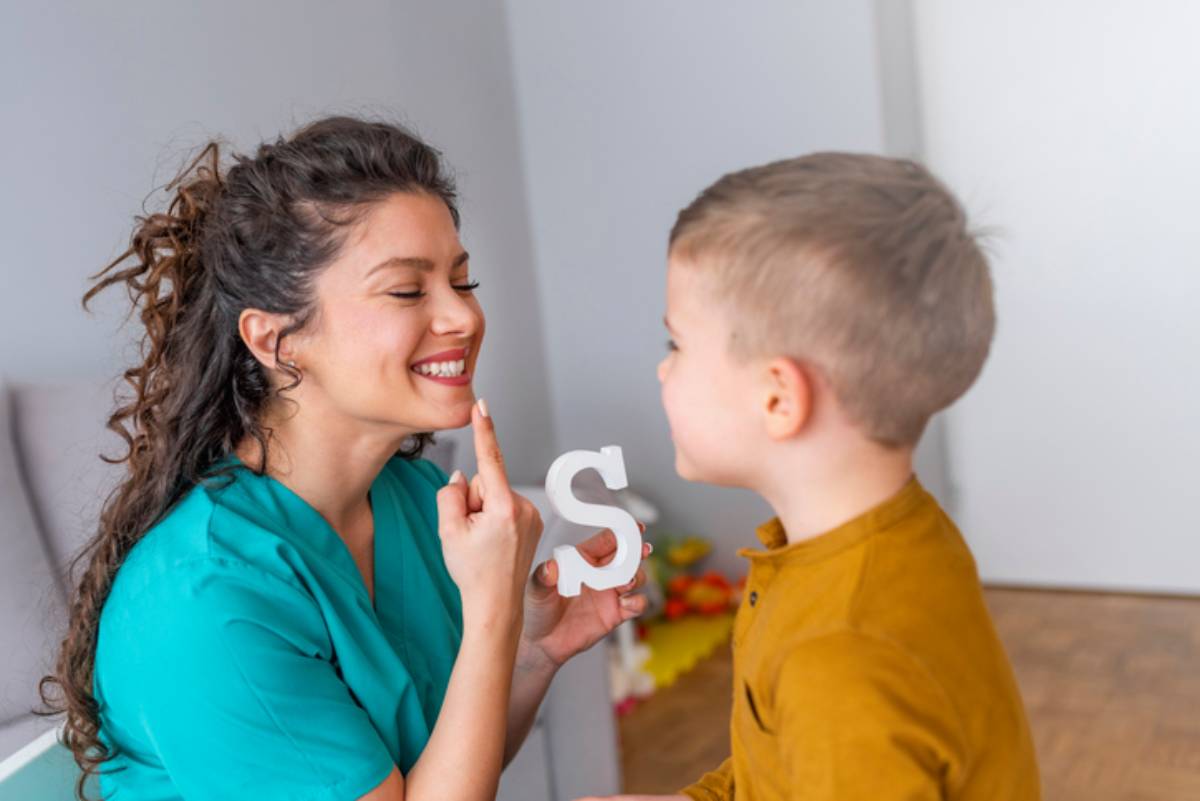
Language development is one of the most remarkable achievements of early childhood and an exciting part of parenting. It forms the foundation for literacy, social connections, and academic success. You could do your child a great service by seeking private preschools and early childhood education programs that prioritize language acquisition. In your child’s first few years of life, their brain is creating over a million neural connections per second, making this an opportune time to enrich their language development through evidence-based practices. Responsive caregivers play a substantial role in supporting robust brain development, so choosing the right ones is a priority.
Early Language Development
Developmental milestones serve as a way to gauge how your child is developing compared to their peers and to help parents understand what to expect. In most cases, you can expect your child to speak their first words around 12 months, combine two words by 24 months, and use complex sentences by age three. Even before your child speaks their first words, they are learning to distinguish the sounds of speech within their first months of birth. Studies show that children from language-rich environments show measurable differences in vocabulary and language processing.
Creative Conversations
Engaging in responsive, back-and-forth conversations with your child remains one of the most effective strategies for promoting language acquisition. Instead of simply throwing words around, follow their interests to create real dialogue and acknowledge attempts at communication. If your child engages with something in their environment, acknowledge it and expand on it. This is where the term serve and return stems from: your child serves you with language, and you return it with acknowledgment, turning it into a conversation.
Avoid correcting grammar or pronunciation; instead, try reiterating the word in a natural, conversational way. Modelling is a great tool for encouraging language development. It maintains their confidence while establishing accurate language models.
Reading
It isn’t hard to believe that reading to your child is a highly evidence-based practice for language development. To be most effective, this is best achieved through interactive reading rather than passive listening. Language outcomes improve significantly when children are asked open-ended questions before, during, and after the story. It is recommended that parents aim for at least 15-20 minutes of daily reading. Reading material should be age-appropriate and offer a wide variety of vocabulary.
Narrate the Day
Nearly every moment spent with your child is a language opportunity. Routine activities become a platform for vocabulary expansion when you describe the processes and run commentary on everyday activities. This exposes your child to vocabulary, sequencing, and descriptive language in an organic way. Encourage the same from your child. Ask them to express their actions and thoughts. These simple interventions teach expressive language skills and critical thinking simultaneously.
When to Consider Support
Some instances warrant further support when red flags become apparent. Most children should have a vocabulary of 10-15 words. Combining words should become a recurring pattern within two years. You may want to consult with your pediatrician if you notice your child isn’t meeting these milestones, but also keep in mind that children develop at different rates, and just because they haven’t reached every milestone yet doesn’t mean there is cause for concern. If you are uncertain, you can always reach out to your pediatrician.
Supporting Language Development
You don’t need expensive toys or extensive lesson plans to support your child’s language development. All it takes are engaged, responsive caregivers, creating environments with endless opportunities for language acquisition and skill-building. Evidence-based strategies and involved caregivers provide your child with communication skills essential for effective communication.
Schedule a tour to see how we prioritize language development through evidence-based practices.


